Accra’s growing solid waste challenge is increasingly being viewed not just as an environmental and sanitation burden, but as a potential source of electricity generation, according to energy and infrastructure policy expert Dr. Elikplim Kwabla Apetorgbor. In a detailed analysis, Dr. Apetorgbor argues that Ghana’s current reliance on landfills represents a structural economic inefficiency, where public funds are repeatedly used to collect, transport, and dispose of waste with limited or no productive return. He describes the approach as “value destruction,” warning that it is becoming unsustainable for fast-growing urban centres such as Accra. “Landfilling is not waste management. It is value destruction,” he argues, adding that the model imposes hidden costs on the economy through flooding, disease risks, environmental degradation, and the continuous demand for new landfill sites. Instead, he is calling for a strategic shift toward Waste-to-Energy systems that convert municipal solid waste into electricity. Under this model, waste is treated as industrial feedstock rather than refuse, enabling cities to recover energy value while simultaneously reducing landfill pressure. The proposal positions waste-to-energy infrastructure as both a sanitation solution and an energy intervention, capable of contributing dispatchable power to the national grid. This, he notes, is particularly important for Ghana, where hydro, thermal, and solar generation each face structural limitations ranging from hydrological variability to fuel price volatility and intermittency. READ ALSO Stakeholders Call for Policy Alignment to Unlock Growth in Ghana’s Rice Industry Dangote Targets Multi-Exchange Listing for Refinery in Pan-African IPO Drive Can Ghana Compete With Asia In Apparel Manufacturing? Industry Calls For Structural Reforms Dr. Apetorgbor further argues that modern waste-to-energy plants, when properly designed, can provide firm electricity supply while also improving urban cleanliness and reducing methane emissions associated with landfill decomposition. He cites global examples including facilities in Singapore, Denmark, Austria, and China as evidence that the model is commercially and technically viable when properly structured. Central to his argument is the need for a bankable commercial framework. He recommends that any potential developer be supported to enter into a dispatchable Power Purchase Agreement with the Electricity Company of Ghana, ensuring predictable revenue streams and long-term operational stability. Beyond electricity generation, he stresses that the broader economic case includes job creation, improved urban aesthetics, reduced flooding risk, and more efficient land use in cities where landfill space is becoming increasingly scarce. However, he cautions that the model is not without risks. Feedstock quality, logistics, environmental safeguards, and regulatory coordination will all be critical to ensuring success. He therefore recommends a detailed prefeasibility study covering waste volumes, plant sizing, environmental impact, and grid integration before any large-scale rollout. “The greater risk is not that Ghana attempts waste-to-energy,” he notes, “but that it continues pouring resources into an inefficient landfill system whose long-term economics are deteriorating.” For proponents like Dr. Apetorgbor, the question is no longer whether waste can be managed, but whether it can be monetised as part of Ghana’s future energy mix. Share this: Share on X (Opens in new window) X Share on Facebook (Opens in new window) Facebook Like this:Like Loading... Related
business
Accra’s Waste Problem Could Be Powering Its Energy Future, Expert Says
The High Street JournalBy Solomon BoakyeMon, 13 Apr 2026 · 1d ago1 views
Share:
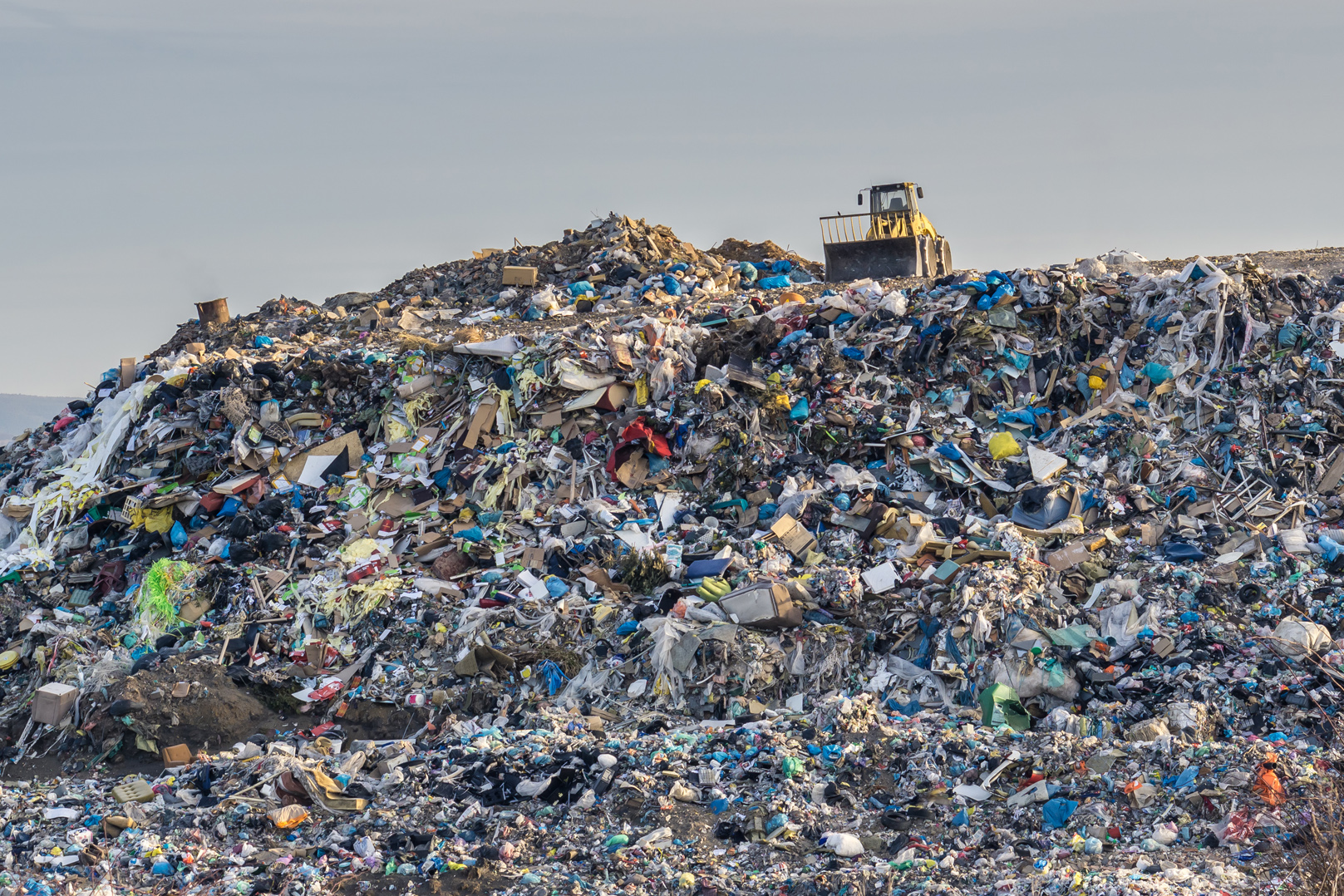
Photo credit: The High Street Journal
Dr. Elikplim Kwabla Apetorgbor suggests Accra's growing waste problem could power its energy future. He argues current landfill practices are "value destruction" and unsustainable. Instead, he proposes Waste-to-Energy systems to convert municipal solid waste into electricity. This approach would reduce landfill pressure, mitigate environmental issues, and provide dispatchable power for Ghana's national grid.
Source
The High Street Journal
#["Business & Economy"#"energy"#"Waste Management"]