A broad-based slowdown in inflation across Sub-Saharan Africa is gaining traction, but rising global risks, particularly from geopolitical tensions, could yet reverse these gains.ContentsGhana as a Standout CaseGlobal Factors Driving the TrendRisks from Beyond the RegionPolicy Space Emerging, but FragileA Regional Story with Uneven ExposureThe Bottom Line According to the latest Africa Economic Update: Making Industrial Policy Work in Africa by the World Bank, inflation across the region has declined steadily since late 2022, supported by easing global commodity prices, improved exchange rate stability, and tighter macroeconomic policies. As the report notes, “the median rate of inflation has been on a steady downward trend since the last quarter of 2022, stabilizing at below 4.0 percent since February 2025.” This marks a significant shift from the inflation surge that followed global supply disruptions and currency pressures in earlier years. The disinflation trend has been widespread. The number of countries experiencing double-digit inflation has dropped sharply, while inflation disparities across the region have narrowed, signaling a more synchronized recovery. Ghana as a Standout Case Within this regional adjustment, Ghana is highlighted as one of the strongest performers on the currency front. READ ALSO Moody’s Revises Ghana Outlook to Positive on Domestic Financing Gains US and Iran Set for High-Stakes Islamabad Summit with Implications for Ghana and the Rest of the World Republic Bank Reaffirms Support For Scaling Local Enterprises The Ghanaian cedi recorded a sharp turnaround in 2025, appreciating by more than 40 percent against the U.S. dollar by year-end. The report attributes this to a combination of strong gold export earnings, tight monetary policy, and improved market sentiment following reforms supported by the International Monetary Fund and progress on debt restructuring. This currency strength has been critical in reinforcing disinflation, particularly by lowering the cost of imports such as fuel and food, key drivers of price pressures across African economies. Global Factors Driving the Trend The regional disinflation story is closely tied to external conditions. Declines in global food and energy prices played a major role in 2025, with Brent crude oil prices falling significantly year-on-year. At the same time, higher export prices for key African commodities, including cocoa, copper, and gold, helped improve external balances and support currency stability. These dynamics created a virtuous cycle: stronger currencies reduced imported inflation, while improved trade positions eased pressure on current accounts. Risks from Beyond the Region Despite these gains, the report warns that the outlook remains vulnerable to global shocks. It emphasizes that “the durability of the region’s broad-based decline in inflation will hinge on continued easing of global commodity prices, particularly for food and fuel.” Any reversal, especially driven by geopolitical tensions such as conflict in the Middle East, could quickly feed into higher energy and transport costs. For many African economies, including Ghana, this risk is particularly acute given their reliance on imported refined fuel and exposure to global supply chains. Policy Space Emerging, but Fragile Easing inflation has begun to create room for monetary policy adjustments across several countries, including Ghana, Nigeria, and Angola. However, the report suggests that central banks are likely to remain cautious. A resurgence in global price pressures or domestic fiscal slippages could delay or even reverse the current trend toward policy normalization. A Regional Story with Uneven Exposure While the disinflation trend is broad-based, underlying structural challenges, such as logistics constraints, infrastructure gaps, and supply chain inefficiencies, continue to shape outcomes across countries. Ghana’s recent gains, particularly in currency stability, position it relatively well within the regional landscape. Yet, like its peers, it remains exposed to forces largely beyond domestic control. The Bottom Line According to the bank, Sub-Saharan Africa is making real progress in bringing inflation under control, but that progress is conditional. For Ghana and the wider region, sustaining disinflation will depend not only on domestic policy discipline, but also on the direction of global commodity markets and geopolitical stability. Share this: Share on X (Opens in new window) X Share on Facebook (Opens in new window) Facebook Like this:Like Loading... Related
business
External Shocks Still Threaten Regional Disinflation Momentum, Ghana’s Gains Highlighted
The High Street JournalBy Solomon BoakyeSat, 11 Apr 2026 · 1d ago2 views
Share:
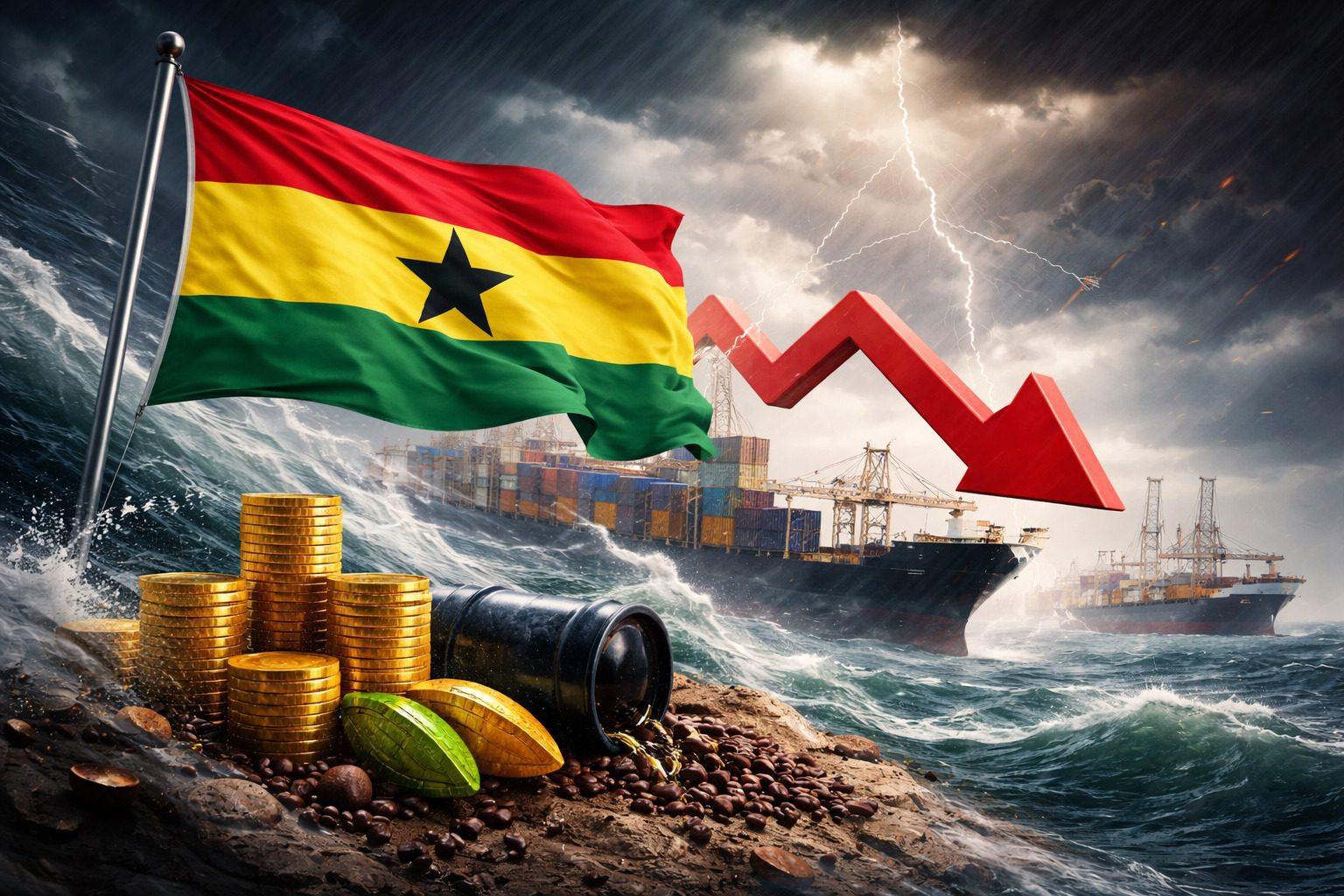
Photo credit: The High Street Journal
Sub-Saharan Africa is experiencing a broad disinflation trend since late 2022, driven by easing commodity prices, stable exchange rates, and tighter macroeconomic policies. The median inflation rate has steadily declined, with fewer countries facing double-digit figures. However, rising global risks, particularly geopolitical tensions, threaten to reverse these gains. Ghana is highlighted as a strong performer in currency stability.
Source
The High Street Journal
#["Business & Economy"#"Disinflation"#"External Shock"#"Ghana"#"Middle East"]