As the 2026 IMF/World Bank Spring Meetings concluded this weekend, the narrative surrounding Africa’s economic landscape shifted from one of crisis management to one of strategic turnaround. Despite a projected regional growth dip to 4.3% in 2026, weighed down by global shocks and dwindling aid, the meetings highlighted a Continent that is aggressively reforming its way toward stability. The “Reform Champions”: Ghana and Ethiopia Lead the Way A major highlight of the discussions was the successful economic turnaround in nations like Ghana and Ethiopia. Policy experts noted that 2025 was a landmark year for these countries, driven by bold structural reforms. Ghana, in particular, was cited as a success story, with inflation dropping sharply and the cedi stabilizing, providing a blueprint for other nations navigating the post-bailout era. However, the IMF issued a cautionary note stating that while 2025 was strong, the 2026 slowdown underscores an urgent need to maintain fiscal discipline. The consensus among African finance ministers was clear—stability is a fragile asset that must be protected through stronger domestic resource mobilization. Leveraging the AfCFTA and U.S. Partnerships READ ALSO Delayed Road Construction Drives Up Costs For Households And Businesses Ecobank Executive Highlights Skills Shift as UPSA Opens 2026 Practitioner’s Forum CalBank Profits Surge Over 100% to GHS 102 Million in Q1 2026, Doubling Last Year’s Performance The meetings placed a significant emphasis on trade as the engine of growth. High-level sessions focused on deepening U.S.-Africa trade partnerships by utilizing the African Continental Free Trade Area (AfCFTA). The goal for 2026 is a decisive shift in structural transformation, moving away from raw commodity exports toward higher-value-added production. By building regional value chains, African nations aim to secure much-needed investments in infrastructure and green energy, effectively “future-proofing” their economies against external shocks. The Digital Leap: AI and Health Financing In a move toward modernization, global leaders discussed how Africa can harness Artificial Intelligence (AI) to boost productivity. The focus is on ensuring the continent does not fall behind in the global tech race, but rather uses AI to solve local challenges in agriculture, journalism, and finance. Simultaneously, the “Health System Financing” track introduced new strategies for universal health coverage. Despite tight fiscal constraints, the 2026 priority is to address structural weaknesses in health systems to ensure that future growth is not just high, but also healthy and inclusive. Navigating the Debt Hurdle Managing unsustainable debt levels remains the most significant challenge. With aid from traditional donors declining, the meetings served as a platform for discussing innovative financing models and private sector investment. The “New Global Financial Pact” is being tested as Africa seeks to navigate high debt while funding essential development and security needs. The 2026 Spring Meetings have sent a clear message that Africa is no longer waiting for a rescue but rather it is reforming for a recovery. For Ghana, being named as a ‘reform champion’ on this global stage is a testament to the hard-earned stability currently been enjoyed. The challenge now lies in ensuring these high-level policies translate into better incomes and more jobs on the streets of Accra and beyond. Share this: Share on X (Opens in new window) X Share on Facebook (Opens in new window) Facebook Like this:Like Loading... Related
business
Fallouts from the World Bank/IMF Spring Meetings that Hailed Ghana and Ethiopia as Africa’s “Reform Champions”
The High Street JournalBy News DeskSun, 19 Apr 2026 · 5d ago5 views
Share:
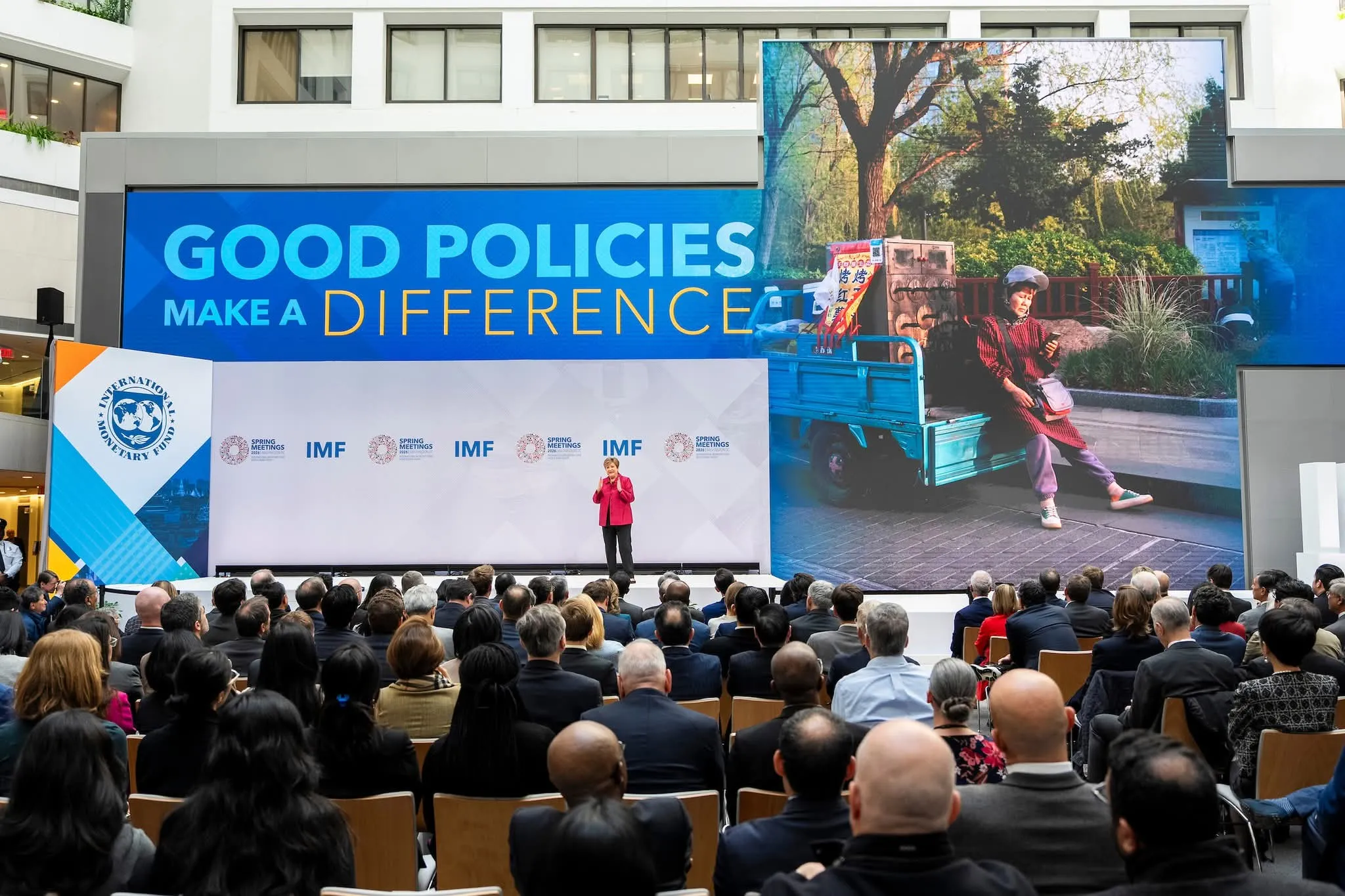
Photo credit: The High Street Journal
The 2026 IMF/World Bank Spring Meetings concluded, highlighting Ghana and Ethiopia as "reform champions" for their economic turnaround. Ghana was cited for sharp inflation reduction and cedi stabilization in 2025. Despite these successes, the IMF cautioned about a projected regional growth dip to 4.3% in 2026, emphasizing the need for continued fiscal discipline and domestic resource mobilization.
Source
The High Street Journal
#["Business & Economy"#"IMF-World Bank Spring Meetings"#"Top Story"]