The clock is ticking for the Ministers of Finance and Energy as they face a tight five-day deadline to finalize a list of tax cuts aimed at lowering fuel prices. With the next petroleum pricing window set to open on April 16, the government must decide exactly which taxes and margins will be slashed if consumers are to see any relief at the pumps. This follows an emergency Cabinet directive issued by President John Dramani Mahama earlier this week. The order was clear: find a way to reduce the cost of fuel to ease the record-high cost of living currently hitting Ghanaian households and businesses. The 5-Day Countdown Because fuel prices in Ghana are adjusted every two weeks, the April 16 window represents the first real opportunity for the government’s new policy to take effect. For this to happen, the Ministry of Finance and the Ministry of Energy must complete their technical review and instruct the National Petroleum Authority (NPA) on the new tax structures before the window opens. Failure to meet this deadline would mean that current high prices, driven by global tensions in the Middle East, could remain in place for another two weeks, prolonging the financial struggle for millions of Ghanaians. READ ALSO External Shocks Still Threaten Regional Disinflation Momentum, Ghana’s Gains Highlighted Moody’s Revises Ghana Outlook to Positive on Domestic Financing Gains US and Iran Set for High-Stakes Islamabad Summit with Implications for Ghana and the Rest of the World All Eyes on Finance and Energy Ministers The pressure is mounting on the two ministries to deliver. While the public is eager for lower prices, the Ministers are also grappling with the reality that these taxes are a major source of government revenue, which is already struggling. Every cedi removed from the price of a liter of fuel is a cedi that the government will not have to fund public services or pay off national debt. If the reduction in revenue lasts too long, it could force the state to borrow more, which carries its own risks for the broader economy. However, for most Ghanaians, the immediate priority is survival in the face of rising transport and food costs. Transport Operators on Edge Perhaps the most anxious group waiting for this decision is the commercial transport operators. Drivers of trotros, taxis, and long-distance buses have seen their margins disappear as fuel costs climbed. Many have been threatening to increase fares, a move that would trigger a fresh wave of price hikes across the entire economy. Transport unions have indicated that their next steps depend entirely on what the government announces in the coming days. If the tax cuts are significant enough to bring down pump prices, fare increases may be put on hold. If the government misses the window or the reductions are too small, commuters should prepare for a spike in transport costs. A High-Stakes Weekend As the weekend begins, technical teams at both ministries are expected to be working around the clock. The nation now awaits a formal announcement that will determine whether the coming week brings a much-needed financial breather or continued economic strain. The next 120 hours will serve as a critical test of the government’s ability to balance its need for tax revenue with its commitment to protect the finances of its citizens. Share this: Share on X (Opens in new window) X Share on Facebook (Opens in new window) Facebook Like this:Like Loading... Related
business
Gov’t Races Against Clock to Cut Fuel Taxes Before April 16 Window
The High Street JournalBy Asamoah George OpokuSat, 11 Apr 2026 · 1d ago2 views
Share:
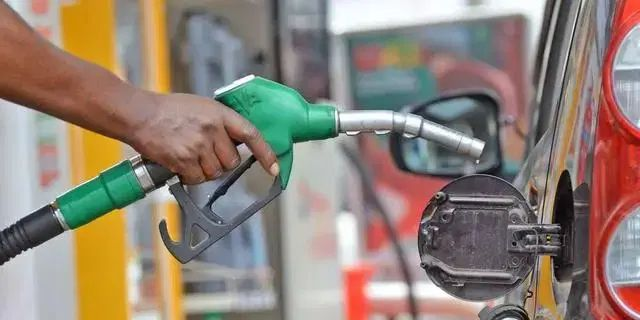
Photo credit: The High Street Journal
Ghanaian Ministers of Finance and Energy face a five-day deadline to finalize fuel tax cuts before the April 16 petroleum pricing window. This follows a presidential directive to reduce fuel costs amid high living expenses. The ministries must instruct the National Petroleum Authority on new tax structures to provide relief; otherwise, current high prices will persist for another two weeks.
Source
The High Street Journal
#["Business & Economy"#"Fuel Price"#"Fuel Taxes"#"Government"#"Top Story"]