The Ghanaian government’s plan to slash fuel taxes faces a major setback following the diplomatic stalemate between the United States and Iran in Islamabad. While the Cabinet had hoped to provide immediate relief to consumers by the April 16 pricing window, the failure to reach a deal has left global oil markets in a state of high volatility, threatening to render domestic tax cuts ineffective.ContentsCaught Between a Rock and a Hard PlaceThe Looming April 16 Deadline The core of the problem lies in the “neutralization” of tax relief. In a normal market, removing a tax would lead to a direct drop in pump prices. However, with the Strait of Hormuz remaining a flashpoint and global oil prices hovering near $103 a barrel, the rising international cost of crude is expected to wipe out any domestic savings. Economists warn that the government could effectively lose vital revenue while the Ghanaian consumer sees little to no reduction at the pump. It is also possible prices may drop after Thursday but go up again in the subsequent pricing window, if the stalemate drives prices up. Caught Between a Rock and a Hard Place The breakdown in talks puts the national treasury in a precarious “pincer movement.” On one hand, the government is under immense pressure from commercial transport operators and the public to fulfill its promise of lower prices. On the other hand, the state is already grappling with struggling revenue streams. If the Ministry of Finance proceeds with the tax cuts while global prices remain high, it will be forfeiting millions in revenue that the state desperately needs for public services and debt servicing. Should the government push forward, the resulting revenue shortfall could force a return to the borrowing market. Analysts suggest that this increased borrowing, could put further pressure on the Cedi, potentially triggering a fresh wave of inflation that would hurt the very public the tax cuts were intended to protect. The Looming April 16 Deadline With only days left before the new pricing window opens, the Ministers of Finance and Energy are walking a razor’s edge. They must now determine if a tax cut is still a viable “safe route” or if the geopolitical situation in the Middle East has made the policy too expensive to pursue. If the international cost of fuel continues to climb, a tax reduction might become a symbolic gesture that hurts the government’s books without offering real relief to the pockets of Ghanaians. READ ALSO Solving Accra’s Urban Transport Chaos: The Accra Transport Authority (ATA) The Future of Ghana’s Oil Refinery Amid the Green Energy Transition ‘Craze’: The Outlook for TOR British-Ghanaian Lawyer Bianca Clinton Wins African Legal Icon Honour at 2026 African Heritage Awards Ultimately, the persistent stalemate in Islamabad has shifted the burden back to Accra. The decision made in the coming 72 hours will be a defining test of the government’s ability to navigate global energy shocks while maintaining fiscal stability at home Share this: Share on X (Opens in new window) X Share on Facebook (Opens in new window) Facebook Like this:Like Loading... Related
business
If US-Iran Stalemate Persists, a Tax Cut on Fuel Prices Will Hurt Govt and Provide Little or No Relief to the Public
The High Street JournalBy Solomon BoakyeMon, 13 Apr 2026 · 2d ago5 views
Share:
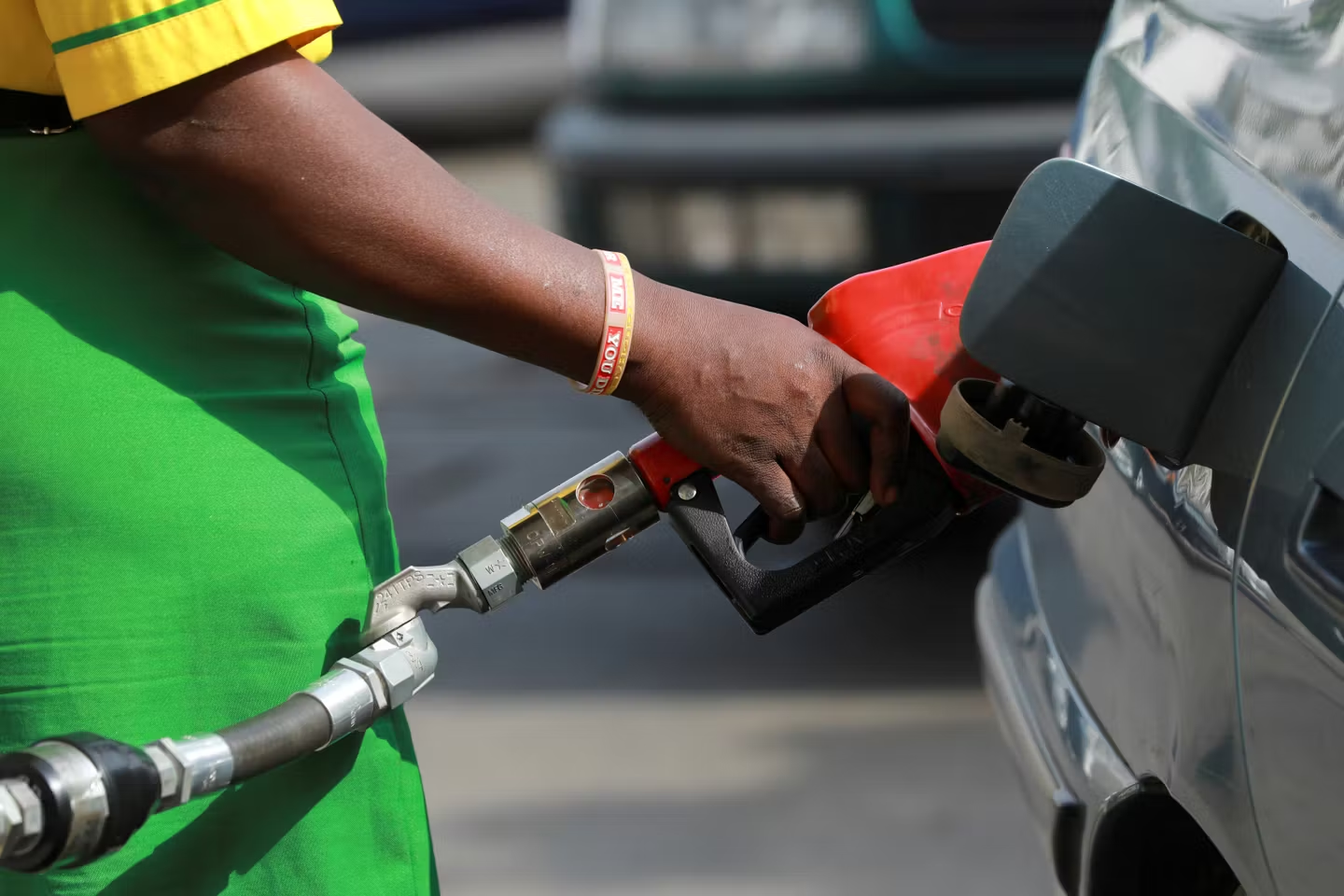
Photo credit: The High Street Journal
Ghana's plan to cut fuel taxes for consumer relief faces challenges due to the US-Iran diplomatic stalemate. Global oil market volatility, with prices near $103 a barrel, threatens to offset any domestic tax reductions. Economists warn the government could lose revenue while consumers see little price relief, potentially worsening the nation's financial strain.
Source
The High Street Journal
#["Business & Economy"#"Public"#"Top Story"]