Ghana’s recent power disruptions may have exposed weaknesses in the system, but they have also revealed an unexpected strength in the country’s energy distribution. Amid the crisis, the country has discovered that it can reliably keep the lights on even without its most critical transmission hub. Speaking during the Government Accountability Series, the Minister for Energy and Green Transition, John Abdulai Jinapor, said engineers have demonstrated, for the first time, that electricity can be reliably supplied without depending entirely on the Akosombo Substation. This infrastructure, the minister says engineers considered to be the backbone of Ghana’s power stability. For decades, it was widely believed within the sector that any major disruption at Akosombo could trigger a system-wide collapse. That assumption has now been challenged. READ ALSO Ghana Steadied Its Economy but Its Farmers Are Wondering Which Economy That Was Nkoranza Poultry Farmers Call for Expanded Access to Chicks Under Nkoko Nketenkete Initiative Beyond Ghana: Expert Analysis Reveals Why West Africa’s Aviation Cost Crisis Demands Urgent Attention In the wake of the recent fire incident, engineers were forced to rethink how power flows across the national grid, and they found a workaround. Instead of routing electricity through the damaged control centre, GRIDCo engineers deployed a high-level intervention that bypassed the affected systems entirely. Power was injected directly through the switchyard and redirected toward Tema, where it could be stabilised and redistributed to other parts of the country. The result is more than just a technical fix. The minister says it is a shift in understanding. Ghana’s grid, once seen as heavily dependent on that infrastructure, has now proven to be more flexible than previously assumed. “The first lesson is that we can reliably supply power without Akosombo. Hitherto, a lot of the engineers believed that Akosombo must serve as a balance of power. And that without Akosombo, the whole transmission system would come crashing down. They have also just discovered that in an emergency, they can evacuate power, even when the control room is burnt,” the Minister indicated. He continued, “What they’ve done is to go around the control room and use high-level technology to inject power through the switch yard to Tema and redistribute the power. And I find this novelty highly, highly commendable. Ghanaian engineers, I’m proud of you.” This breakthrough means that in practical terms, future disruptions at key installations may no longer translate into nationwide outages. For consumers, this could mark a turning point. The ability to reroute power in emergencies reduces downtime, limits the scale of outages, and offers a more resilient system for homes and businesses already strained by inconsistent supply. However, the lesson comes with a caveat. While the innovation highlights the ingenuity of local engineers, it also underscores the need to invest in redundancy and modern grid technologies before crises occur, not after. Share this: Share on X (Opens in new window) X Share on Facebook (Opens in new window) Facebook Like this:Like Loading... Related
technology
Lesson in Crisis: Ghana Can Now Reliably Supply Power Without Akosombo Substation – Minister Declares
The High Street JournalBy Fredrick Addai KwartengTue, 28 Apr 2026 · 2h ago0 views
Share:
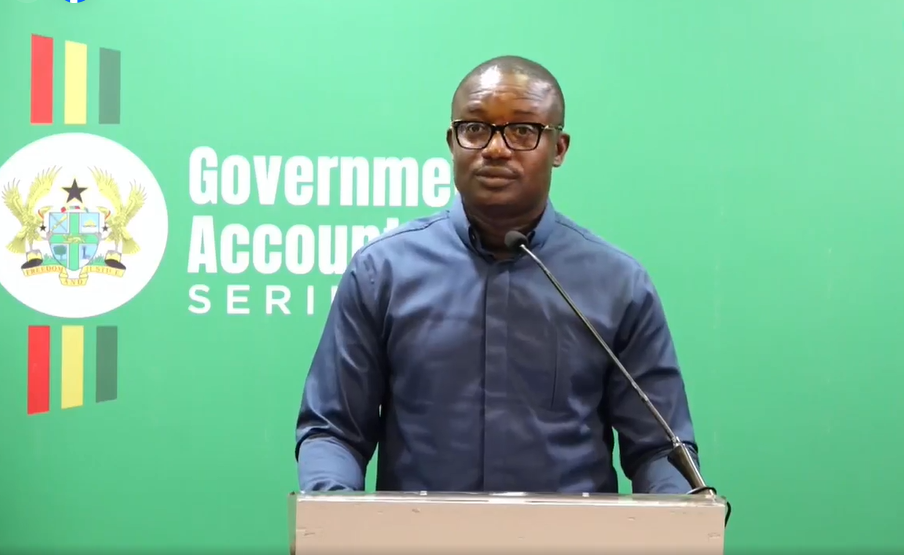
Photo credit: The High Street Journal
Ghana's Energy Minister, John Abdulai Jinapor, announced that the country can now reliably supply electricity without full dependence on the Akosombo Substation. During recent power disruptions, engineers developed a workaround, bypassing the previously critical transmission hub. This discovery challenges the long-held belief that a disruption at Akosombo would cause a system-wide collapse, demonstrating an unexpected resilience in Ghana's power distribution.
Source
The High Street Journal
#["Business & Economy"#"Akosombo"#"GRIDCo"#"John Abdulai Jinapor"]