Audio By Carbonatix In this community in the Akuapem North Municipality of Ghana’s Eastern Region, darkness does not arrive gradually; it comes all at once. There are no streetlights along the roads, no humming transformers, and no glow of electric bulbs shining from homes after sunset. Tadankro is not connected to the national electricity grid. When darkness settles over the community, families rely on small solar lamps they rent each night just to keep their homes lit. For many students, these lamps are the only way to study after sunset. A student in the community explains: “We rent a solar lamp for two cedis so I can study at night. But when I help my mother cook, the smoke from the firewood often irritates my eyes.” Across Tadankro, firewood and charcoal remain the main sources of energy for cooking. Every evening, smoke rises from coal pots and wood fires as families prepare meals. But residents say living without electricity is becoming more difficult as temperatures continue to rise. Without fans or ventilation systems, heat often becomes trapped inside homes, making nights uncomfortable. Many families step outside to cool down before returning indoors. Yaa Asiedua, a mother in the community, describes the daily struggles: “When the heat becomes too much, our rooms get very warm, so we step outside for a while before going back in to sleep. When it rains, we also have to deal with snakes, scorpions and other creatures that sometimes enter our rooms." "We cook with firewood, and the smoke hurts our eyes. Many of us now struggle with poor eyesight, and our children often get heat rashes.” The absence of electricity also affects education At Tadankro Basic School, the headteacher says teaching and learning are often difficult without reliable power. “Teaching and learning are difficult without electricity, especially when it comes to ICT lessons. Sometimes students struggle to follow what is being taught, and we rely on phones to help explain certain concepts,” he explains." “Charging these devices is also a challenge, so we often travel to nearby communities to charge them before returning to school. This takes time and affects our work.” Screenshot High classroom temperatures also affect concentration, particularly for younger pupils. “The heat in the classrooms also makes it hard for pupils to concentrate. For the younger children, especially those in kindergarten, we sometimes allow them to step outside and play for a while before returning to class.” Attendance is another concern “Many pupils travel long distances to school, and some parents are traders who depend on daily sales to support their families. Because of these challenges, some children are unable to attend school regularly,” the headteacher adds. Healthcare workers in the community face similar challenges At the CHPS compound, a health worker says limited solar power makes routine work more difficult. “Working here without electricity is very difficult. Sometimes I travel to the city just to charge my laptop so I can process NHIS claims. We also need electricity to store vaccines, but the Solar system here is old and cannot power the freezer." "So I ride to the city on my motorbike to collect vaccines before vaccinating children. We see many cases of cough and bronchitis linked to smoke from charcoal and firewood.” Energy researchers Baker and colleagues noted in their 2021 research that true energy access means power that is reliable, affordable and usable. Without those conditions, electrification can remain only an illusion. In Tadankro, however, the challenge runs deeper: the electricity grid has simply not reached the community. Community elder Opanyin Kwadwo Asiedu, who serves as Osiahene and Ayipasohene, says the absence of electricity continues to affect development. “Our community has a school and a CHIPS compound, but because there is no electricity, teachers and health workers often live in another town. Many teachers request transfers after a few months. At night we rent solar lamps for two cedis just to have light.” Residents say even basic activities, like charging mobile phones, require travelling to neighbouring communities. Kwaku Danso, a resident, explains: “If we want to charge our phones, we have to travel to the next town. Without electricity, even sleeping at night can be difficult.” Despite the challenges, life in Tadankro continues. Children study under rented solar lamps, families cook with firewood and charcoal, and health workers improvise with limited power. It is resilience shaped by necessity. But in a warming climate, the stakes are higher. Rising temperatures, unpredictable rains, and smoke-filled homes compound the hardships caused by energy poverty. Without reliable electricity, communities remain exposed to heat stress, respiratory illnesses, and limited opportunities for learning, healthcare, and economic activity. For Tadankro, the question is no longer whether the community is resilient. The question is when the light beyond the wires will finally reach them, providing not just illumination, but protection, health, and a pathway to climate resilience. This article is written as part of a collaborative project between JoyNews, CDKN Ghana, and the Centre for Climate Change and Sustainability Studies at the University of Ghana, with funding from the CLARE R41 Opportunities Fund. DISCLAIMER: The Views, Comments, Opinions, Contributions and Statements made by Readers and Contributors on this platform do not necessarily represent the views or policy of Multimedia Group Limited. Tags: Electricity Tadankro DISCLAIMER: The Views, Comments, Opinions, Contributions and Statements made by Readers and Contributors on this platform do not necessarily represent the views or policy of Multimedia Group Limited. Related to this story Key updates on power outages following Akosombo substation fire incident ‘Don’t blame our staff for dumsor’ – PUWU fights back against calls to sack ECG engineers Kumasi to experience more outages after World Cup as ECG, GRIDCo prepare for critical transmission projects Energy Minister will today address nation on developments in electricity sector Widespread blackouts hit 3 regions after Akosombo substation fire See list of areas to be affected by ECG’s planned maintenance on Sunday, March 29 Government averts Karpowership shutdown with $400m debt deal About 1,200 businesses in Burma Camp to start paying for electricity as gov’t scraps exemption Minority says electricity and water tariff cuts undermine IMF justification Here’s what you’ll pay after PURC’s cut in water and electricity tariffs from April 1 Latest Stories Light beyond wires: Life without electricity in Tadankro16 minutes We need specialised court for medical negligence—Hamza Suhuyini24 minutes Agazy International Tournament ends as scouts select eight players for European trials47 minutes 2026 World Cup: Black Stars can ‘surprise’ despite concerns over form – Daniel Opare51 minutes Black Stars must build a team, not rely on talent – Daniel Opare1 hour 2026 World Cup: Black Stars ‘in deep trouble’ without Kudus – Daniel Opare1 hour Today’s Front pages: Thursday, April 30, 20262 hours GH¢57.2m unearned salaries recovered by Auditor-General, supervisors to be surcharged3 hours John Apetorgbor Kwabla Fugar aka Joe Dakota3 hours Madam Teresa Abrewa Shebruaba Bessabro3 hours Npontu Technologies appoints Finance and Digital Strategy Expert Prof. Noel Tagoe to its board3 hours No burial without justice – Ghana blocks funeral, demands probe into citizen’s killing in South Africa3 hours That era is over – Ghana vows accountability for every citizen killed abroad3 hours Brent oil rises 7% on report US considering military options to break Iran deadlock4 hours Minority cries ‘political persecution’ over arrest of Maxwell Kofi Jumah4 hours
technology
Light beyond wires: Life without electricity in Tadankro
MyJoyOnlineBy Clara SeshieThu, 30 Apr 2026 · 2h ago0 views
Share:
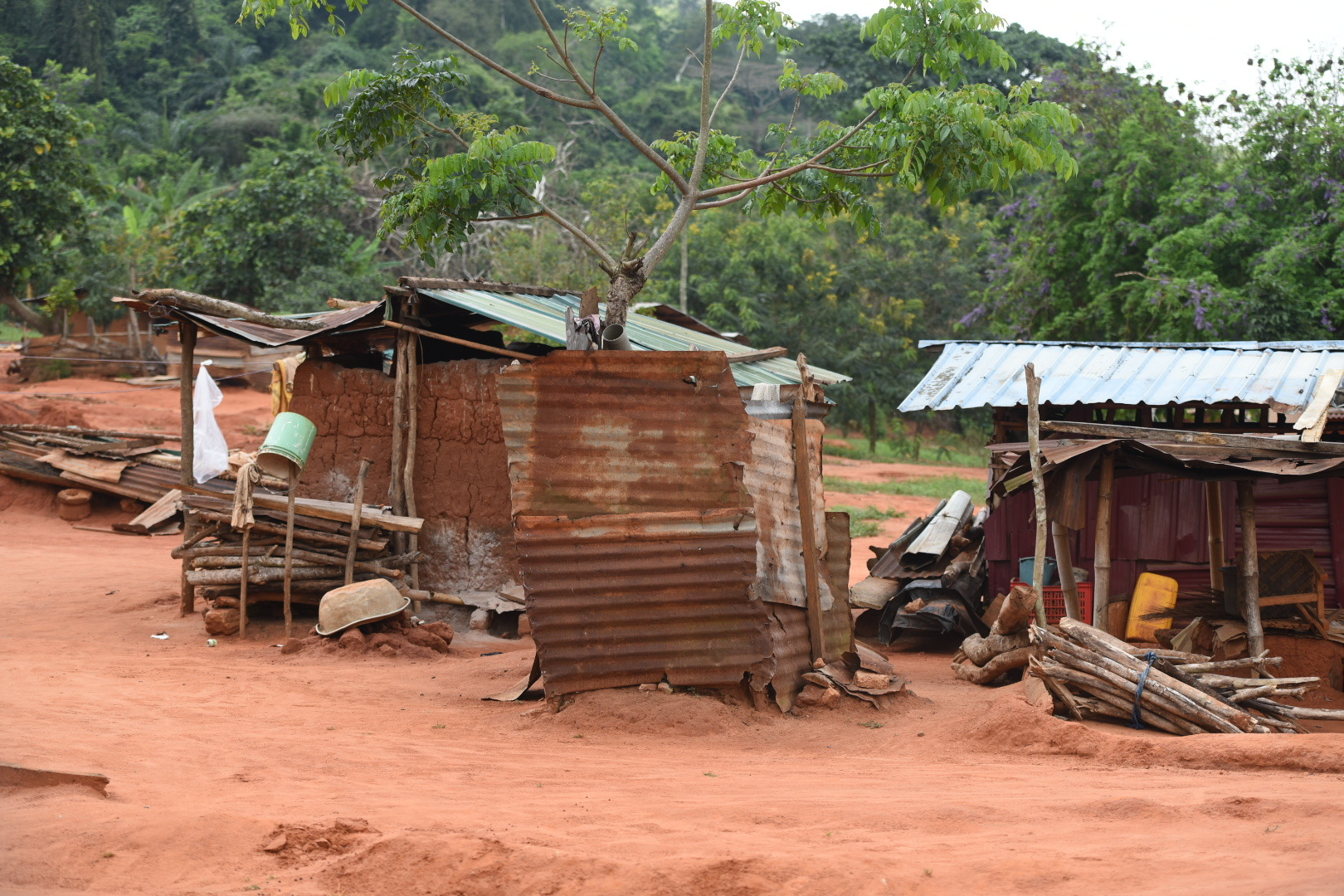
Photo credit: MyJoyOnline
Tadankro, Ghana, lacks electricity and is not connected to the national grid. Residents rely on rented solar lamps for light and firewood or charcoal for cooking. This absence of electricity creates challenges, including difficulties for students studying at night, irritation from cooking smoke, and discomfort from rising temperatures without ventilation. Families often step outside to escape indoor heat, and face issues with pests during rain.
Source
MyJoyOnline
#["Features"#"Electricity"#"Tadankro"]