Ghana’s push toward a 24-hour economy is facing renewed scrutiny as recurring maintenance shutdowns in the power sector raise concerns about reliability, cost, and investor confidence. The latest planned shutdown of the Atuabo Gas Processing Plant by Ghana Grid Company Limited (GRIDCo) and the Ghana National Gas Company has once again highlighted a persistent challenge within Ghana’s energy value chain, how to maintain critical infrastructure without disrupting economic activity. Although there is no official consolidated data on how many times such shutdowns have occurred, industry analysts say the pattern is becoming difficult to ignore. Over the past few years, a mix of emergency repairs, gas supply constraints, and transmission-related challenges have led to intermittent disruptions, suggesting underlying structural pressures rather than isolated technical faults. For businesses, particularly those operating in manufacturing, agro-processing, and services, even short interruptions can translate into real financial losses. READ ALSO Togbe Afede XIV Leads Ghana Delegation to 2026 WTCA Global Business Forum GCB Delivers Record 2025 Results Fallouts from the World Bank/IMF Spring Meetings that Hailed Ghana and Ethiopia as Africa’s “Reform Champions” Production delays, increased fuel costs from generator use, and potential damage to machinery all add to the cost of doing business. In an environment where margins are already tight, these disruptions can erode competitiveness and slow expansion plans. The stakes are even higher under Ghana’s 24-Hour Economy Authority policy, which seeks to promote continuous production and round-the-clock service delivery. Reliable electricity is the backbone of such an agenda. Without it, the cost of operating a 24-hour system increases significantly, raising questions about sustainability, especially for small and medium-sized enterprises. Investors are also paying close attention. Energy reliability remains one of the top considerations for foreign direct investment, and frequent or unpredictable outages, even when planned can create perceptions of risk. For a country positioning itself as a regional industrial hub, consistency in power supply is not just a technical issue but a strategic economic priority. Energy experts argue that while shutdowns for maintenance are unavoidable in any system, their frequency and impact can be reduced with the right long-term approach. They point to the need for sustained investment in modernising infrastructure, noting that aging systems are more prone to faults and costly breakdowns. Upgrading control systems and integrating smarter technologies could allow operators to detect and address issues before they escalate into full shutdowns. There is also growing consensus around the importance of diversifying Ghana’s energy mix. Heavy reliance on a limited number of gas processing facilities increases vulnerability, particularly when one plant goes offline. Expanding renewable energy capacity and improving grid flexibility could provide alternative supply buffers and enhance overall system resilience. In addition, strengthening redundancy within the energy system through backup capacity and improved interconnections would help ensure that maintenance at one facility does not significantly disrupt supply nationwide. Experts also emphasise the role of predictive maintenance, where data and analytics are used to anticipate failures and schedule repairs in a way that minimises economic impact. Closer collaboration between the public and private sectors is seen as another critical step, particularly in mobilising the investment needed to upgrade infrastructure and deploy new technologies. Ultimately, the conversation is shifting from whether maintenance should happen to how it is managed. As Ghana accelerates its industrialisation agenda, the reliability of its power infrastructure will play a decisive role in determining whether policies like the 24-hour economy translate into real growth or face operational setbacks. For now, recurring shutdowns serve as a reminder that powering an economy around the clock requires not just ambition, but a resilient and forward-looking energy system. Share this: Share on X (Opens in new window) X Share on Facebook (Opens in new window) Facebook Like this:Like Loading... Related
business
Power Cuts Or Growth Cuts? Recurring Shutdowns Test Ghana’s 24-Hour Economy Ambition
The High Street JournalBy Stanley SenyaSun, 19 Apr 2026 · 4h ago1 views
Share:
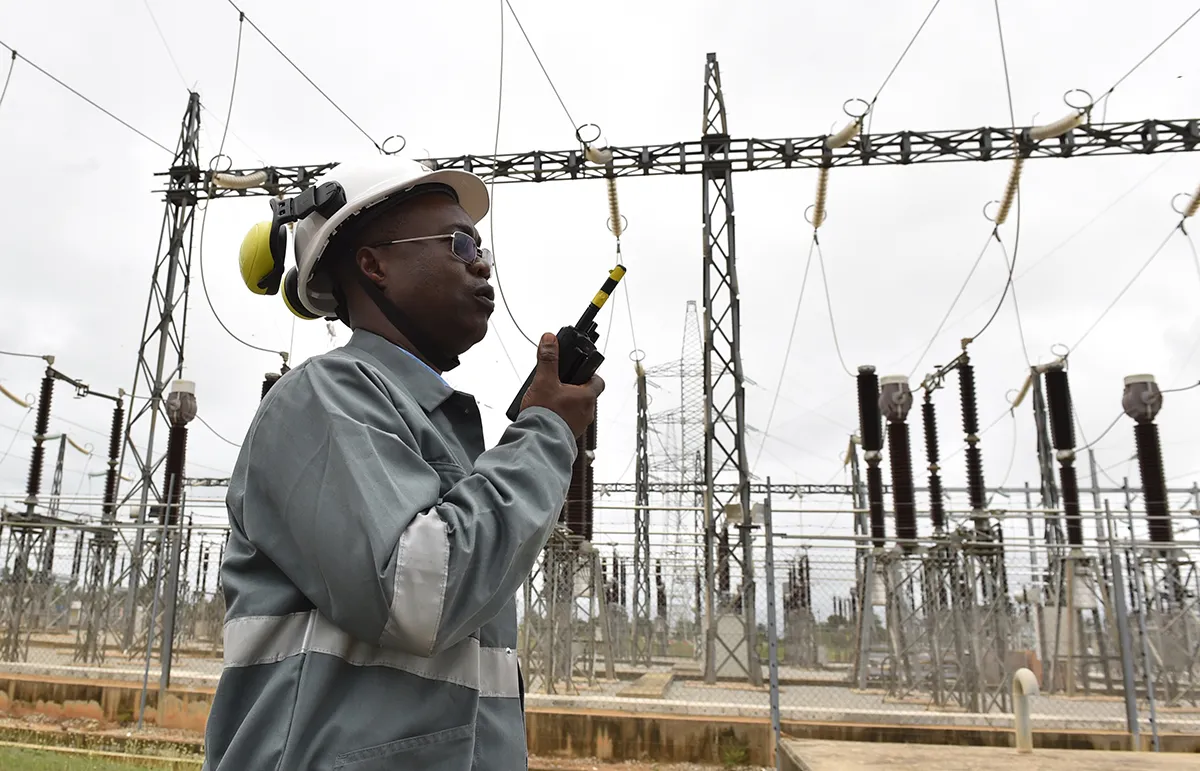
Photo credit: The High Street Journal
Ghana's ambition for a 24-hour economy faces challenges from recurring power sector shutdowns. The latest planned maintenance at the Atuabo Gas Processing Plant highlights persistent energy reliability issues. These disruptions, stemming from repairs, gas constraints, and transmission problems, raise concerns about economic activity, investor confidence, and increase operational costs for businesses, potentially hindering growth and competitiveness.
Source
The High Street Journal
#["Business & Economy"#"24-Hour Economy"#"Africa"#"Atuabo Gas Plant"#"Busineses"#"Economy"#"Electricity"#"Ghana Economy"#"Inflation"#"Investors"#"Power Plants"#"SMEs"#"Top Story"]