Ghana’s latest push to reform its tourism and hospitality sector is being framed as a strategic economic intervention aimed at unlocking jobs, supporting small businesses, and boosting the sector’s contribution to national output. At a media briefing in Accra, the Ministry of Tourism, Culture and Arts outlined a series of initiatives designed not only to improve service quality but also to strengthen the sector’s value chain and investment appeal. The programmes, developed in collaboration with the Ghana Tourism Federation (GHATOF) and the Ghana Tourism Authority (GTA), focus on skills development, formalisation, and enterprise support. Tourism Minister Abla Dzifa Gomashie, in remarks delivered on her behalf, emphasised that sustained economic gains from tourism would depend on building a competitive and standards-driven industry. She stressed that training, certification, and regulatory enforcement were critical to positioning Ghana as a preferred destination in a highly competitive global market. READ ALSO BoG Governor Honoured by GUTA for Stabilising Inflation, Cedi Sports Ministry Sets 90-Day Timeline for National Sports Museum Plan MTN Opens Applications for Pan-African Media Programme to Boost Newsroom Innovation From an economic standpoint, the initiatives signal a shift toward formalising segments of the tourism ecosystem that have historically operated informally. Programmes such as the National Training and Certification Programme and the Tourism Transport Standardisation drive are expected to improve service delivery while broadening the tax base and enhancing investor confidence. A key component of the reform agenda is the Uplifting Women in Tourism initiative, which targets operators of traditional eateries, commonly known as chop bars. The programme is designed to address structural barriers such as limited access to finance, outdated equipment, and unreliable energy supply, all of which constrain productivity and business expansion. According to Seth Ocran, President of GHATOF, the tourism sector currently contributes about 5.7 percent to Ghana’s Gross Domestic Product, but holds significant potential for expansion if properly coordinated. He noted that aligning stakeholders and improving access to capital could accelerate growth and increase the sector’s economic footprint by the end of the decade. The reforms also place strong emphasis on youth employment through the Graduate Tourism Employment and Mobility Support scheme, which aims to bridge the gap between training and job placement. This is expected to ease unemployment pressures while supplying skilled labour to hotels, restaurants, and travel services. At the institutional level, the Hotel, Catering and Tourism Training Institute (HOTCATT) is expected to play a central role in developing industry-ready professionals. Acting Director Eric Kofi Afornorpe noted that standardised training would ensure consistent service delivery across major tourism destinations, enhancing Ghana’s reputation and repeat visitor rates. Industry players say the reforms could also stimulate growth in ancillary sectors such as transport, agriculture, and creative arts, reinforcing tourism’s position as a multi-sector economic driver. For small business operators like traditional caterers, the impact could be immediate. Beatrice Naa Ayeley, Greater Accra Regional Chairperson of the Traditional Caterers Association, said access to financing and modern tools would enable operators to scale up production, improve hygiene standards, and better market Ghanaian cuisine to both local and international consumers. Overall, the initiatives reflect a broader policy direction that sees tourism not just as a cultural asset, but as a critical pillar for economic diversification, job creation, and inclusive growth. Share this: Share on X (Opens in new window) X Share on Facebook (Opens in new window) Facebook Like this:Like Loading... Related
business
Tourism Reforms Positioned As Economic Growth Lever For Jobs, SMEs
The High Street JournalBy Stanley SenyaSat, 11 Apr 2026 · 1d ago2 views
Share:
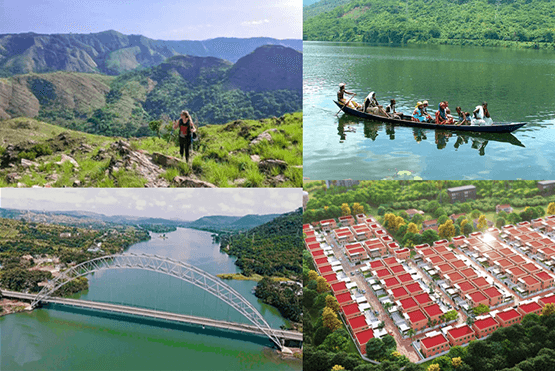
Photo credit: The High Street Journal
Ghana's Ministry of Tourism, Culture and Arts announced reforms to the tourism and hospitality sector. These initiatives, developed with industry bodies, aim to boost economic growth by creating jobs, supporting small businesses, and increasing the sector's national contribution. Focus areas include skills development, formalisation, enterprise support, and strengthening the value chain to enhance Ghana's appeal as a competitive destination.
Source
The High Street Journal
#["News"#"Abla Dzifa Gomashie"#"Ghana Economy"#"Growth"#"SMEs"#"Tourism"]