Africa’s fertiliser crisis is no longer just a story about rising prices, but a structural weakness that is exposing how deeply the continent’s food systems depend on forces far beyond its control. A Ghanaian researcher at the University of Reading, Isaac Sarfo Afram, is warning that unless Africa shifts its thinking from simply using fertiliser to owning its fertiliser future, the continent risks locking itself into a cycle of vulnerability that undermines food security and farmer resilience. For millions of smallholder farmers, the crisis is a major threat to their livelihoods. Fertiliser that was once a seasonal purchase has become a financial gamble. Prices swing unpredictably, supply is unreliable, and planting decisions are increasingly shaped not by agronomy, but by availability. The problem, Isaac Sarfo Afram believes, is Africa’s overwhelming dependence on imports. Key inputs such as ammonia, urea, and potash travel thousands of miles before reaching African farms. When global supply chains falter, whether through geopolitical tensions or disruptions in major shipping routes, the effects are immediate. Isaac Sarfo Afram Freight costs surge, insurance premiums rise, and already fragile distribution systems buckle under pressure. READ ALSO Over GH¢305M Debt: Auctioneer Moves to Seize PBC Assets as Gov’t Delay Continues GoldBod Secures 100% First Output from Damang Mine Under E&P Operations ‘Check Before You Publish or Risk Disaster’: Ghana’s Security Chief Unveils New Media Pact The result is a continent that is highly exposed to external shocks but has limited internal buffers. The researcher argues that this is precisely why Africa must pursue what he describes as fertiliser sovereignty. This is explained as the ability to produce, distribute, and use fertiliser in ways that are locally controlled, resilient, and sustainable. But sovereignty, he stresses, is not just about building factories. It begins with changing how fertiliser is used. Across much of Africa, fertiliser application remains inefficient. Farmers often apply generic blends without understanding the specific needs of their soils. This leads to wasted inputs, lower yields, and long-term soil degradation. By investing in soil testing, customised fertiliser blends, and farmer education, countries can extract more value from every kilogram applied. Equally important is rethinking what qualifies as fertiliser. He reveals that Africa generates vast amounts of organic waste, from agriculture, households, and industry, that often goes unused. Converting this waste into compost and other soil amendments offers a dual benefit of reducing dependence on imported inorganic fertilisers while improving soil health. It is a solution that is both practical and scalable, especially in rural economies where organic materials are abundant. Infrastructure, however, remains the silent bottleneck. Even when fertiliser is available, getting it to farmers is costly and inefficient. Poor road networks, congested ports, and inadequate storage facilities inflate prices and delay delivery. In some cases, fertiliser arrives too late in the season to be useful, turning an already scarce input into a missed opportunity. Investing in logistics, better roads, modernised ports, and decentralised storage could significantly reduce these inefficiencies, making fertiliser more accessible and affordable across the continent. Agriculture remains a cornerstone of many African economies, employing large segments of the population and underpinning food systems. The researcher says without reliable access to fertiliser, productivity stagnates, incomes decline, and food insecurity deepens. He insists that Africa cannot afford to treat fertiliser as just another imported commodity. It must be seen as a strategic asset. Share this: Share on X (Opens in new window) X Share on Facebook (Opens in new window) Facebook Like this:Like Loading... Related
africa
Why Africa Must Go Beyond Fertilizer Use to Build Fertilizer Sovereignty? A Researcher’s View
The High Street JournalBy Fredrick Addai KwartengFri, 1 May 2026 · 4h ago0 views
Share:
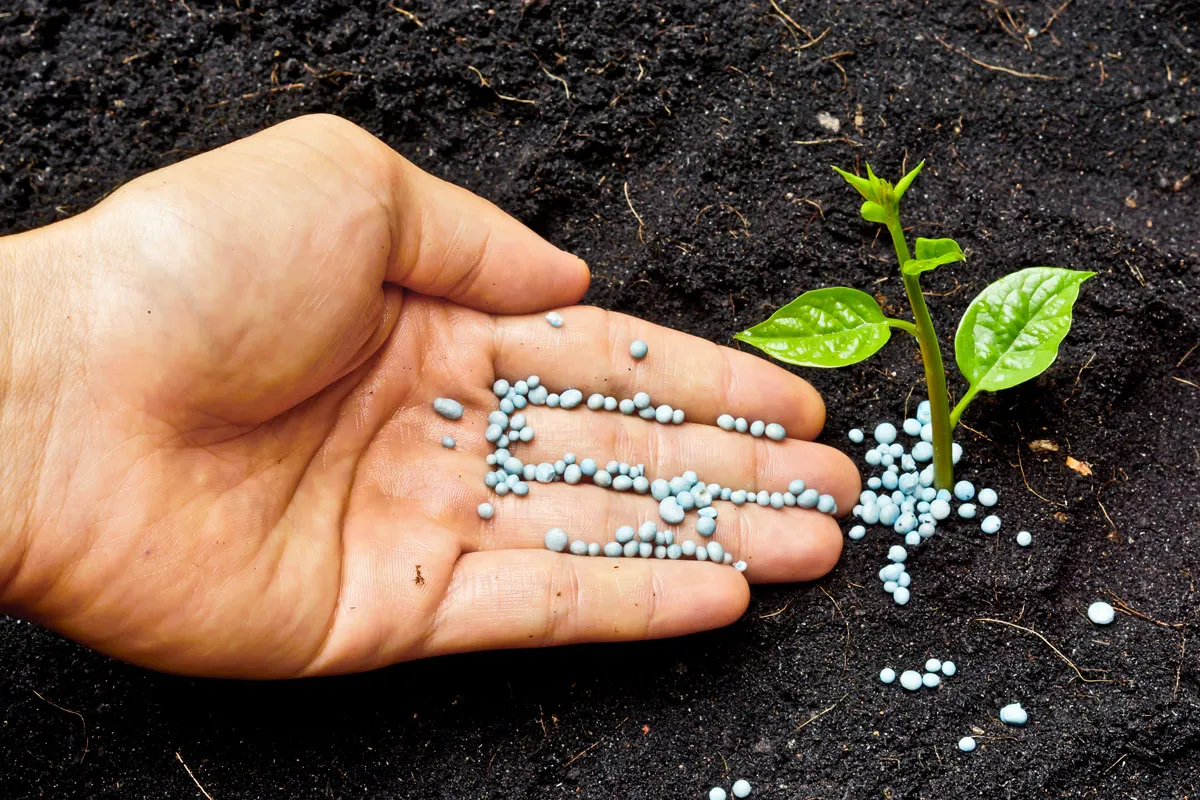
Photo credit: The High Street Journal
Ghanaian researcher Isaac Sarfo Afram argues Africa's fertilizer crisis stems from deep dependence on imports, making food systems vulnerable. He warns that relying on external supply chains and volatile prices undermines food security and farmer resilience. Afram advocates for Africa to move beyond mere fertilizer use towards "fertilizer sovereignty" to control its future supply.
Source
The High Street Journal
#["News"#"Africa"#"Fertiliser"#"Top Story"]