An African Development Bank-backed post-pandemic recovery initiative is driving rapid expansion within Ghana’s agribusiness sector, with Selix Farms emerging as a key beneficiary after scaling up poultry production and workforce capacity. The New Akrade-based enterprise in the Asuogyaman District has significantly increased output following financial and technical support under the Post-COVID-19 Skills Development and Productivity Enhancement Project (PSDPEP), a Government of Ghana programme implemented with institutional backing from the African Development Bank Group and the Social Investment Fund. Chief Executive Officer, Felix Amponsah, said the intervention had been instrumental in accelerating the farm’s transition from a small-scale operation into a growing commercial poultry business. Established about three and a half years ago by Mr Amponsah and his wife, Evelyn, Selix Farms initially focused on mango cultivation before pivoting into poultry production after identifying strong and consistent demand within the domestic egg market. The business began with 2,000 birds but struggled with infrastructure constraints, heat management challenges and limited access to capital. READ ALSO Urban Farming Touted as a Triple-Impact Solution for Food Security, Import & Household Income FDA Seizes Unregistered Products in Porials Pitch 3 Enforcement Operation Mahama Breaks Ground for 24-Hour Market in Bimbilla to Boost Local Economy However, a GH¢300,000 facility secured under the PSDPEP programme enabled the company to invest in modern poultry housing, expand bird stock and upgrade operational capacity. As a result, bird population has grown to approximately 8,300, with daily production now averaging 246 crates of eggs more than 8,000 eggs distributed across key urban markets including Tema and Ashaiman. Beyond output growth, the expansion has translated into tangible employment gains. The company’s workforce has tripled from five to 15 employees, comprising both permanent and temporary staff. Notably, the farm has also improved gender inclusion by employing women who were previously absent from its operations. Despite these gains, Mr Amponsah highlighted ongoing operational bottlenecks, particularly in feed production and staff logistics. The company currently depends on third-party milling services, a situation he said affects feed quality consistency and efficiency. To address this, Selix Farms is planning to establish an on-site feed mill as part of its vertical integration strategy. The company is also considering investment in staff accommodation to reduce commuting challenges and improve worker productivity. In line with its broader growth ambitions, the agribusiness has begun diversifying into pig farming. The newly established piggery is expected to support future plans to enter value-added processing, positioning the company to capture more value within the livestock supply chain. Mr Amponsah noted that the long-term vision is to transition from primary production to processing of finished products, aligning with Ghana’s industrialisation and agribusiness transformation agenda. The PSDPEP initiative, which offers low-interest financing of up to 12 per cent alongside technical training and business development support, is targeting approximately 25,000 micro, small and medium-sized enterprises nationwide across sectors such as agriculture, manufacturing and hospitality. He encouraged young entrepreneurs to explore agribusiness opportunities, emphasising the importance of data-driven decision-making, market research and continuous skills development. A staff member, Desmond Okudzeto, said the company’s growth had improved livelihoods, providing both stable income and practical skills. He noted that employees were gaining hands-on experience in poultry management, including animal care and medication administration, while also pursuing small side ventures. Looking ahead, Selix Farms aims to deepen its integration across production and processing within the next five years, reinforcing its position in Ghana’s evolving agribusiness landscape. Share this: Share on X (Opens in new window) X Share on Facebook (Opens in new window) Facebook Like this:Like Loading... Related
business
AfDB-Funded SME Programme Spurs Poultry Expansion And Job Creation At Selix Farms
The High Street JournalBy Stanley SenyaSun, 19 Apr 2026 · 3h ago1 views
Share:
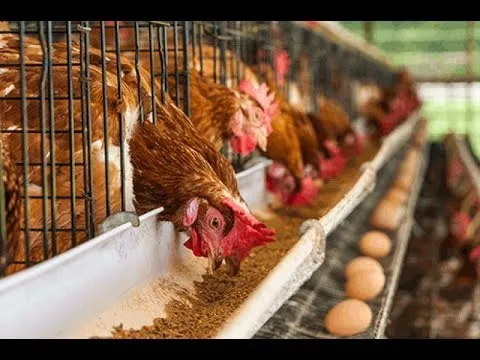
Photo credit: The High Street Journal
An African Development Bank-backed post-pandemic recovery initiative is supporting Ghana's agribusiness sector. Selix Farms, a beneficiary, significantly expanded its poultry production and workforce in New Akrade. The Post-COVID-19 Skills Development and Productivity Enhancement Project (PSDPEP) provided financial and technical support, enabling the farm to transition from a small-scale operation into a growing commercial poultry business.
Source
The High Street Journal
#["News"#"AfDB"#"Africa"#"Economy"#"farmer centers"#"Ghana Economy"#"Poultry"]