The Chief Executive Officer of McKenzie Ghana Limited, Mr Michael Asare, has warned that the growing practice of outsourcing government garment contracts to foreign manufacturers is crippling Ghana’s local textile and apparel industry. According to him, the trend is weakening indigenous production capacity, resulting in job losses and slowing the growth of domestic garment businesses. Speaking in an interview, Mr Asare said his company, based in Sunyani in the Bono Region, has the technical capacity to produce a wide range of sportswear, including physical education kits, football jerseys, athletics vests and tracksuits. He stressed that local manufacturers are fully capable of meeting national demand if given the opportunity through government contracts. “We can produce everything here in Ghana. If contracts are awarded to us, there will be no need to outsource production to countries like China,” he said. READ ALSO Sunyani Garment Firm Seeks Government Contracts To Create 2,000 Jobs If The Economic Stability Does Not Lead to Increased Productivity, the BoG Loss Would Have Been in Vain Current Fertiliser Crisis Exposes Africa’s Agricultural Vulnerability, But Also a Catalyst for Change Mr Asare noted that before the introduction of the Free Senior High School policy, local garment producers were directly engaged to supply uniforms and sportswear to schools across the country. However, he said the centralised procurement system under the policy has marginalised many local firms. He explained that contractors who win bids often outsource production abroad or subcontract locally at significantly reduced prices, a situation he described as unsustainable for Ghanaian manufacturers. “Those who secure the contracts either send them outside or push them to us at very low prices. This is gradually collapsing the industry,” he said. Mr Asare recounted the growth of his company from a single sewing machine to over 200 machines, although only about 60 are currently in use due to limited production space and insufficient demand. He indicated that with adequate government support, particularly through consistent contracts and infrastructure expansion, the company could significantly scale up operations. “Within three months, I can run a 24-hour production system if given the needed support,” he said, referencing the government’s proposed 24-hour economy policy. He added that such expansion could increase his workforce from the current 40 employees to as many as 2,000 within six months, creating substantial employment opportunities for the youth. Mr Asare also highlighted the company’s role in skills development, noting that it has trained hundreds of young people in garment production, many of whom have gone on to establish their own businesses. He explained that while traditional apprenticeship in the sector takes up to three years, his company has developed methods to train individuals within a few weeks, aligning with national efforts to equip young people with employable skills. “We already train apprentices and support them with allowances. With more backing, we can expand this initiative and absorb more young people,” he said. On production challenges, Mr Asare pointed to difficulties in accessing quality raw materials, noting that most inputs are sourced from Accra and neighbouring Côte d’Ivoire, often with inconsistencies in quality. He called for stronger implementation of policies aimed at supporting the textiles and garment sector, particularly in improving access to raw materials and creating a more enabling business environment. Mr Asare further urged policymakers to recognise the industrial potential of regions such as Bono, warning that the collapse of local factories would have far-reaching economic and social consequences. “There are about 10 factories like mine in this region. With the right support, we can meet national demand and create jobs within our communities,” he said. “If this factory shuts down, many families will be affected because a lot of livelihoods depend on it.” Mr Abdul Hamid Iddris, General Manager of the company, also called for increased patronage of locally made garments, expressing concern over the preference for imported products despite the quality of domestic alternatives. He said the company has been engaging schools, private institutions and government agencies to promote its products and boost demand. He reiterated the need for investment and policy support to enable the factory to expand production and create more employment opportunities. Share this: Share on X (Opens in new window) X Share on Facebook (Opens in new window) Facebook Like this:Like Loading... Related
business
Outsourcing Of Government Contracts Threatens Local Garment Industry – McKenzie CEO
The High Street JournalBy Stanley SenyaSun, 3 May 2026 · 1h ago0 views
Share:
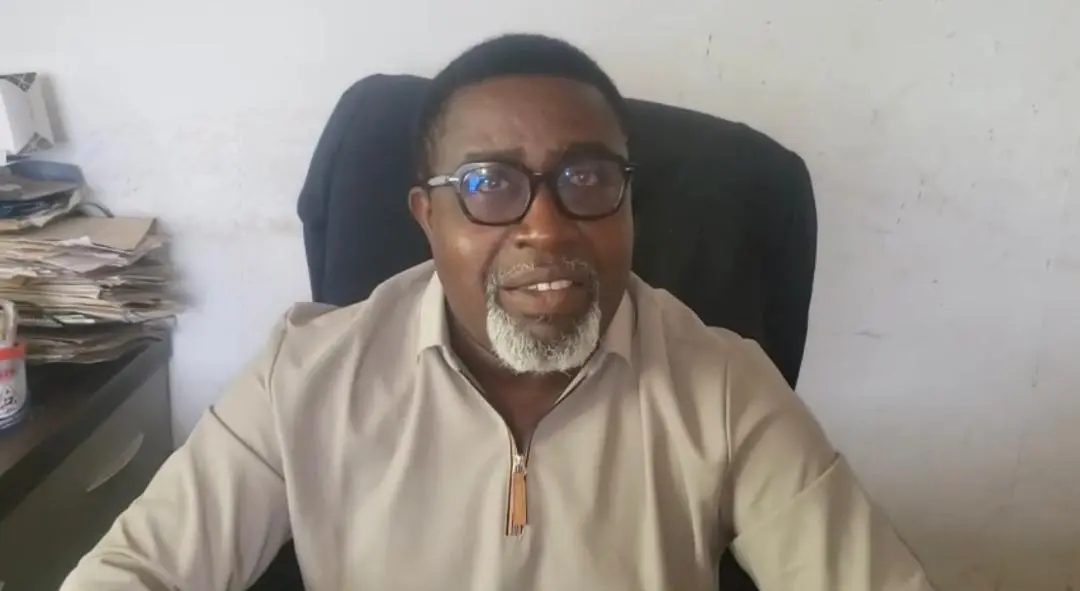
Photo credit: The High Street Journal
McKenzie Ghana Limited CEO, Michael Asare, warns that outsourcing government garment contracts to foreign manufacturers is crippling Ghana's local textile industry. He states this trend weakens indigenous production, causes job losses, and slows domestic business growth. Asare asserts local manufacturers possess the capacity to meet national demand, citing his company's ability to produce various sportswear, and urges government contracts to remain local.
Source
The High Street Journal
#["Business & Economy"#"Africa"#"CEO"#"Economy"#"Garment Factory"#"Textile"#"Top Story"]