When an IMF mission landed in Accra on April 29 to begin Ghana’s sixth and final programme review, it carried the weight of a significant moment. The mission is expected to spend about two weeks in the country, engaging government officials and key stakeholders as part of the assessment process ahead of Ghana’s planned exit from the programme in August 2026. After three years, a $3 billion bailout, and a painful domestic debt restructuring that wiped out savings, pensions, and investor portfolios, the end of the line is finally in sight. The numbers that Ghana is presenting to the world look genuinely impressive. Ghana’s debt-to-GDP ratio fell from 61.8 % to 45.3 % by the end of 2025, ahead of earlier targets, while the country moved from a fiscal deficit of 2.9 % of GDP to a surplus of 2.6%. International reserves now cover nearly six months of imports. Inflation, which peaked above 54% in 2022, has fallen to 3.2%. The cedi strengthened 41 % against the dollar in 2025. Finance Minister Dr. Cassiel Ato Forson, who presented Ghana’s case to investors at the IMF/World Bank Spring Meetings in Washington last month, was careful to frame these gains not as luck but as architecture. “These are not cosmetic gains. They are outcomes of well-thought-through reforms, backed by laws and disciplined implementation,” he told investors. At the heart of that architecture is an amendment to the Public Financial Management Act establishing a 1.5% primary surplus rule and a 45% debt ceiling, rules that would bind future governments, not just this one. Also in the works is an Independent Fiscal Council, designed to provide institutional oversight after the IMF stops watching. But the harder question, the one that has haunted Ghana through multiple IMF cycles, is whether the discipline lasts once the programme ends. Ghana entered an IMF programme in 2009, stabilised impressively, then let spending surge in the lead-up to the 2012 elections. The gains unwound, the deficits returned, and by 2023, the country was back at the Fund’s door with its most severe crisis in a generation. The pattern is so well established that it has its own vocabulary among Ghanaian economists: the pre-election spending surge, the post-programme drift. Akwasi Nsiah, a media personality, captured the dilemma precisely: “If after exiting the IMF, Ghana maintains discipline, resists election-driven fiscal recklessness, and builds buffers for the future, then history will be kind to Ato Forson. But if the old habits return, then we will know the IMF only treated the symptoms, not the disease.” READ ALSO Ghana’s Comedy Industry Finds Its Voice as Local Acts Fill Major Auditoriums AU Ministers Move to Close Infrastructure Gap as Deficit Cuts Africa’s GDP Growth Ghana’s Cocoa Industry Has a New Problem: Its Own Buyers Are Buying the Wrong Beans The IMF itself is cautiously optimistic. Abebe Aemro Selassie, Director of the IMF’s Africa Department, said the Fund is encouraged by the structural reforms implemented over the past three years, but stressed the importance of maintaining a careful balance between development spending and fiscal prudence. “We are encouraged by the reforms Ghana has undertaken and how these will shape the economy when the programme ends,” he said. The sixth review will focus on Ghana’s performance since the fifth assessment, with particular attention to delayed targets and the implementation of structural reforms. Fiscal developments in the energy sector, including debt management and ongoing reforms, are expected to feature prominently, as will government expenditure on social protection. The technical extension of the programme to August, which was originally due to end in May, was explained as procedural, giving reviewers time to analyse full-year 2025 and first-quarter 2026 data. There is no suggestion that Ghana is in trouble. The extension is a footnote, not a warning sign. What awaits Ghana on the other side of August is the real test: managing an economy without the Fund’s monthly monitoring, its disbursement pressure, and its capacity to force hard decisions. The fiscal rules are written. The Fiscal Council is planned. The debt ceiling is law. Whether any of it holds will be determined not by economists in Washington but by political choices made in Accra, and, eventually, on the campaign trail. Share this: Share on X (Opens in new window) X Share on Facebook (Opens in new window) Facebook Like this:Like Loading... Related
business
Seventeen IMF Programs: Can Ghana Finally Break the Cycle?
The High Street JournalBy Asamoah George OpokuSun, 3 May 2026 · 4h ago0 views
Share:
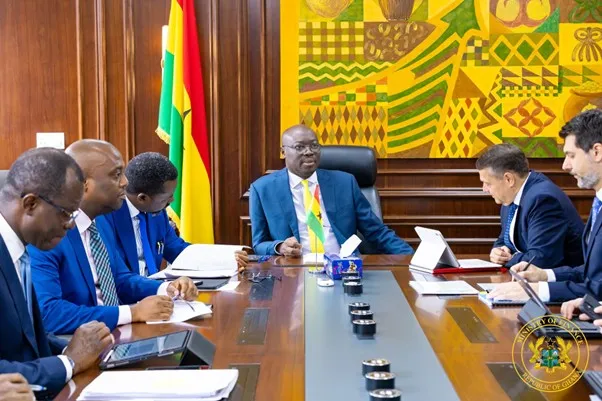
Photo credit: The High Street Journal
An IMF mission is in Ghana for the final review of its $3 billion program, ahead of a planned exit in August 2026. Ghana has reported significant economic improvements, including a reduced debt-to-GDP ratio (45.3%), a fiscal surplus (2.6%), increased international reserves, and lower inflation (3.2%). These gains are attributed to reforms, including new fiscal rules, following a period of debt restructuring.
Source
The High Street Journal
#["Business & Economy"#"Bank of Ghana"#"Ghana Economy"#"IMF Bailout"#"Top Story"]